Day of the Tentacle â Game Overview, Platforms & Release Info
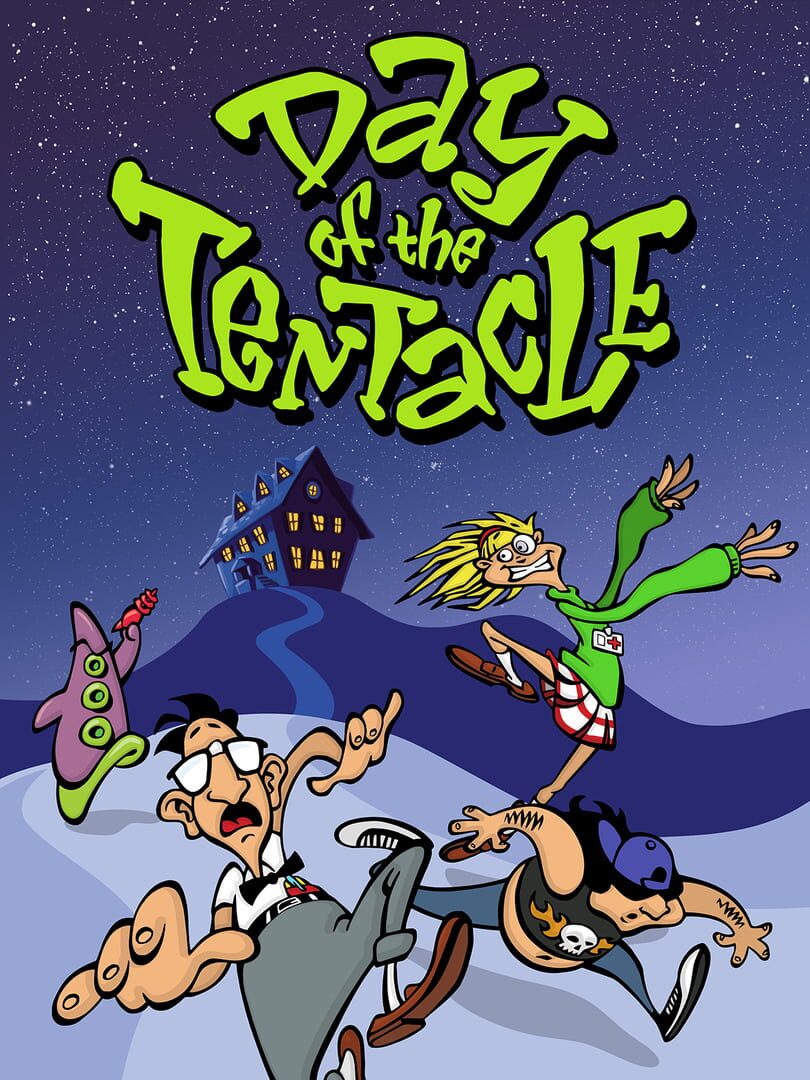
A 1993 classic, Day of the Tentacle blends Adventure, Point-and-click mechanics into a massive open-world experience. Supported on Amiga, DOS, Mac, the game still holds strong popularity in 2026.
â Is Day of the Tentacle still worth playing in 2026?
Yes. Day of the Tentacle remains worth playing in 2026 thanks to its engaging gameplay systems, memorable experience, and continued interest from the gaming community. Even years after release, the game still offers solid entertainment for both returning players and newcomers.
â 88.84
455 user ratings
đŽ About Game
đŽ Genre: Adventure, Point-and-click
đšī¸ Platform:Amiga, DOS, Mac
đī¸ Release Date:25 Jun 1993
đī¸ Last Updated Date:10 Apr 2026
đ§Š Keywords:AliensAnthropomorphismBeen Here BeforeBow And Arrow
đ¤ Game Modes:Single player
đ Description
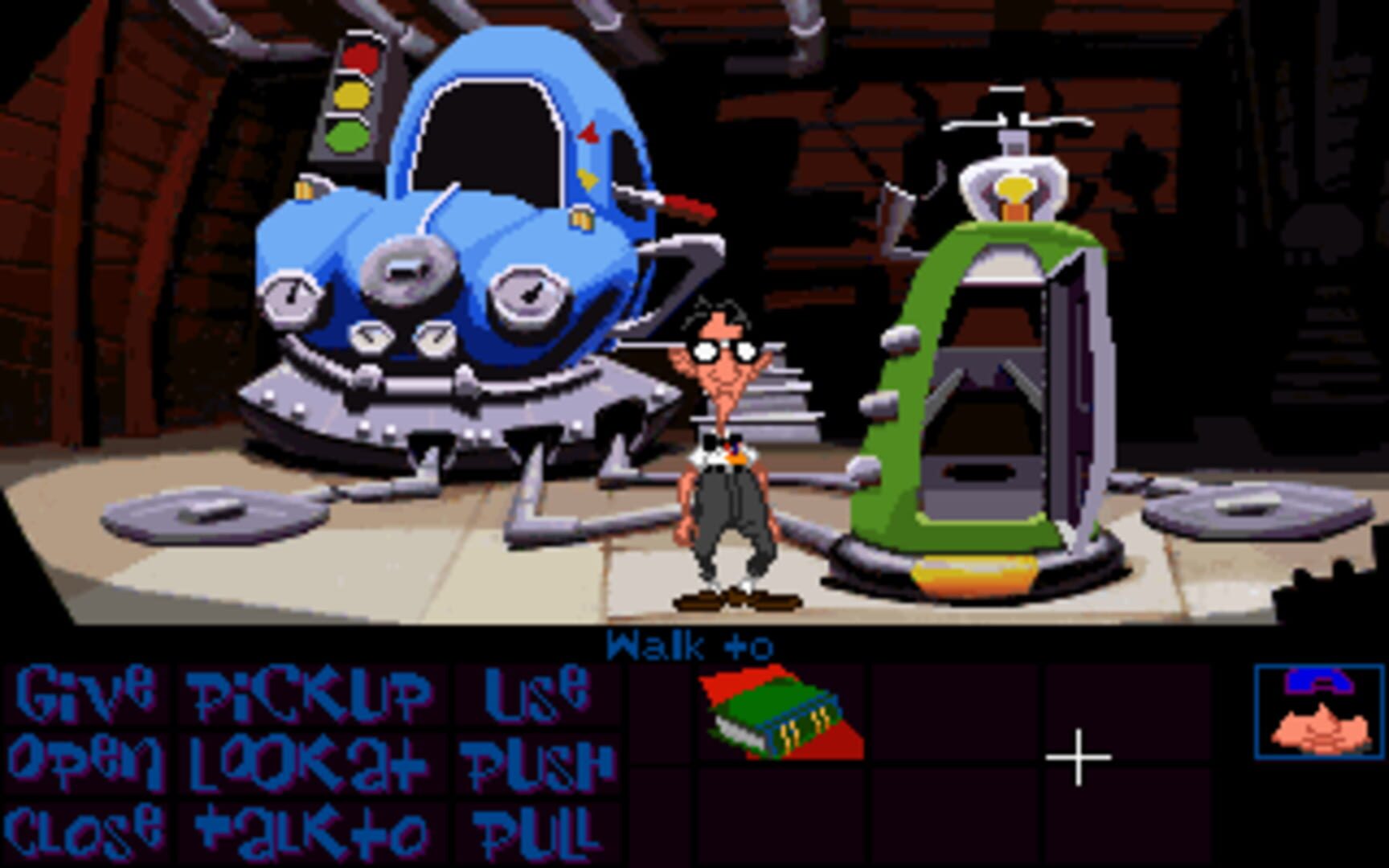
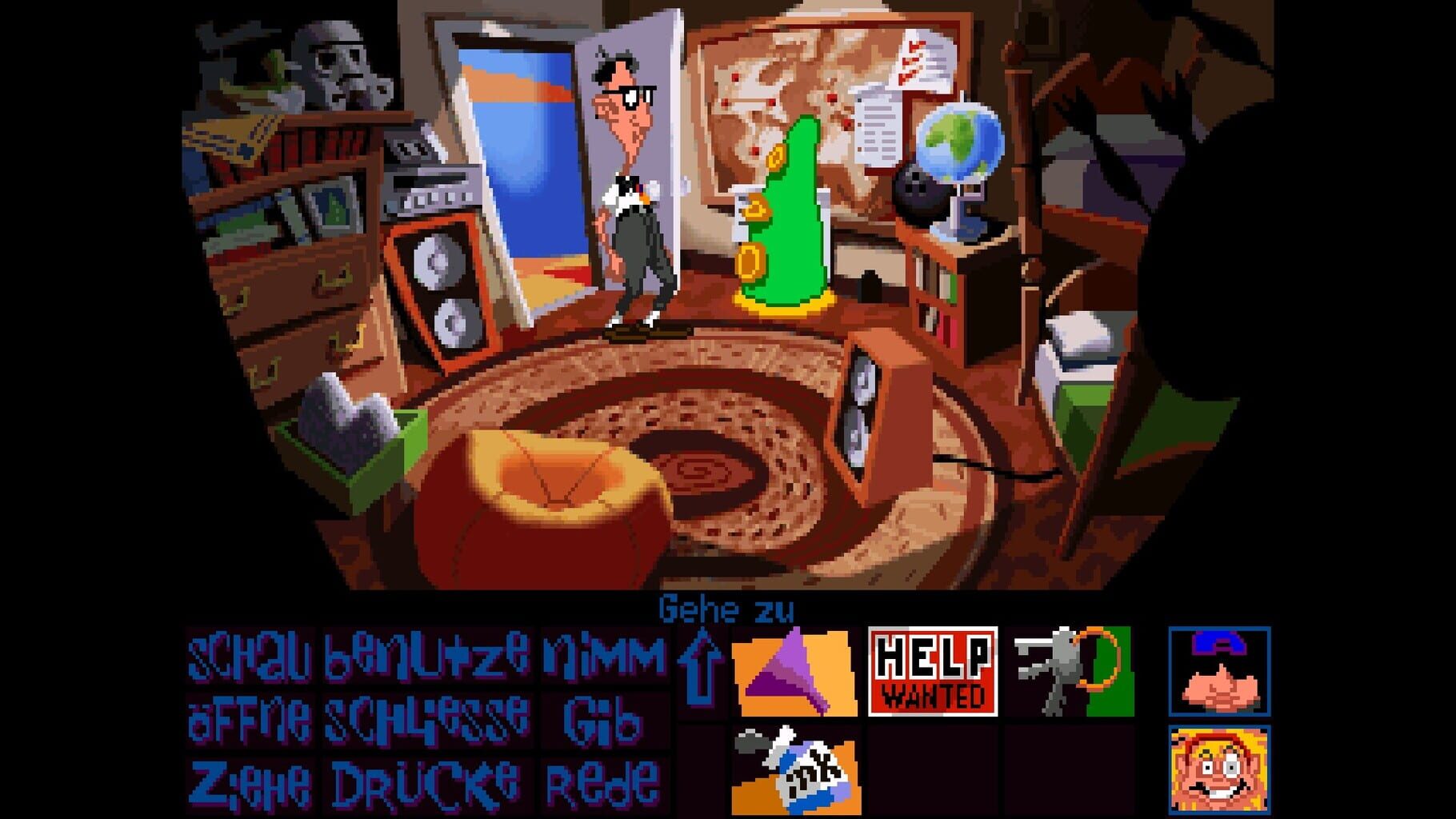
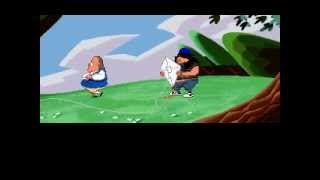
Day of the Tentacle, also known as Maniac Mansion II: Day of the Tentacle, is a 1993 graphic adventure game developed and published by LucasArts. It is the sequel to the 1987 game Maniac Mansion. The game's plot follows Bernard Bernoulli and his friends Hoagie and Laverne as they attempt to stop the evil Purple Tentacle â a sentient, disembodied tentacle â from taking over the world. The player takes control of the three and solves puzzles while using time travel to explore different periods of history.
Dave Grossman and Tim Schafer co-led the game's development, their first time in such a role. The pair carried over a limited amount of elements from Maniac Mansion and forwent the character selection aspect to simplify development. Inspirations included Chuck Jones cartoons and the history of the United States. Day of the Tentacle is the eighth LucasArts title to use the SCUMM engine, and the company's first title to feature voice acting.
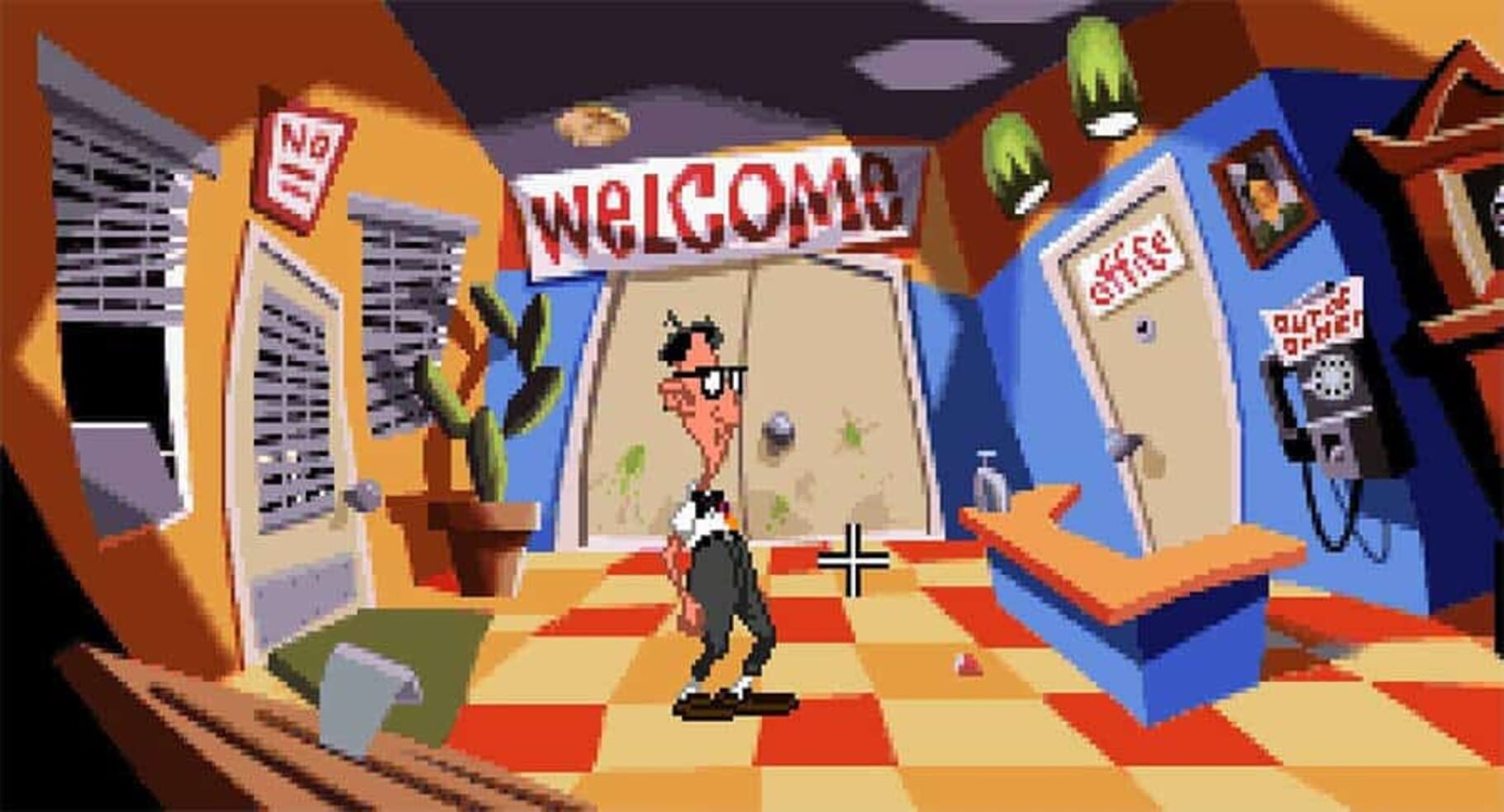
The game was released simultaneously on floppy disk and CD-ROM to critical acclaim and commercial success. Critics focused on its cartoon-style visuals and comedic elements. Day of the Tentacle has featured regularly in lists of "top" games published more than two decades after its release, and aspects have been referenced in popular culture.